 Español
 English
 Français
Did You Know? · Enjoy Chocolate
Chocolate in the December Holidays, from Latin America to Europe
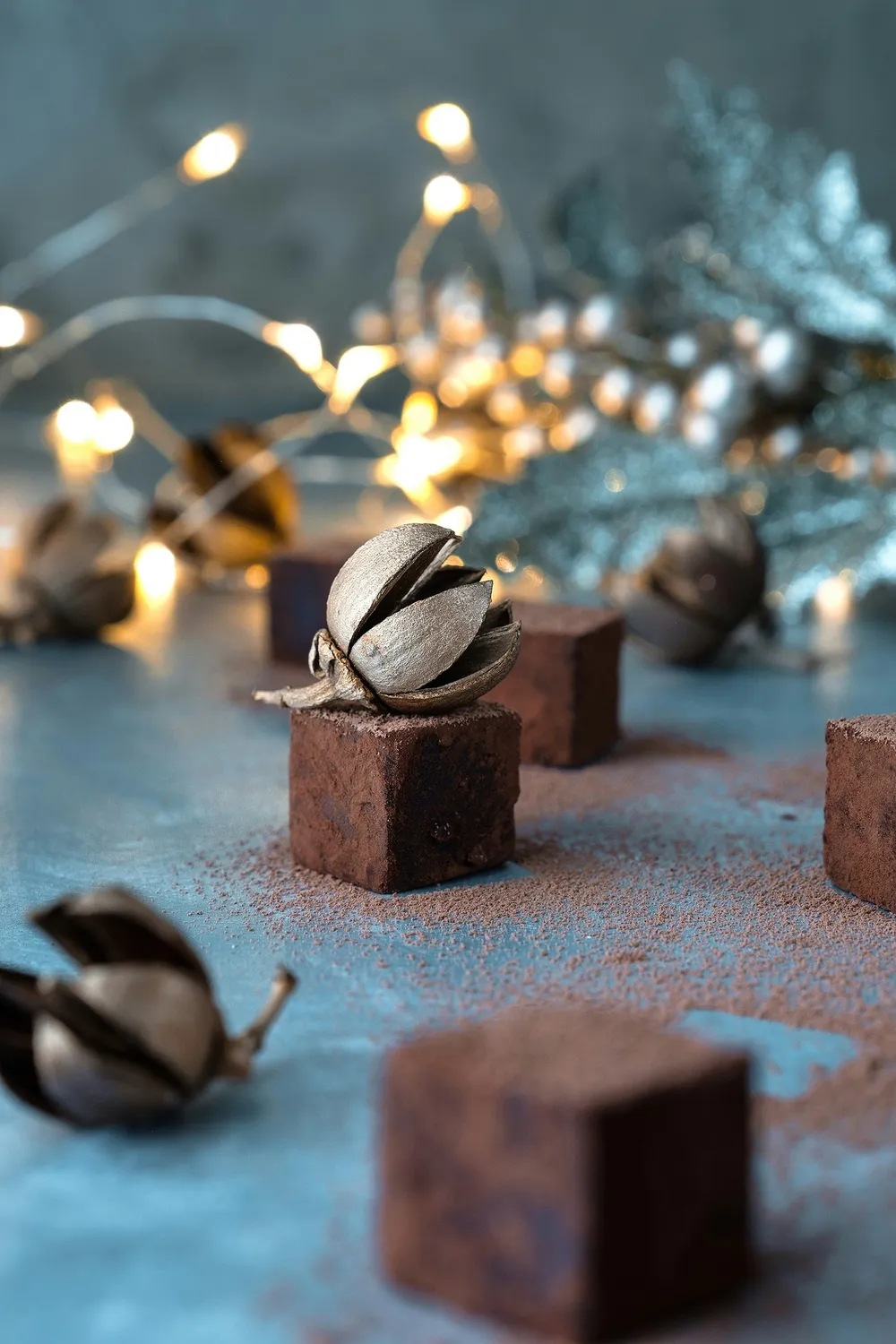
The December holidays, a season of celebration that runs from Christmas to New Year's and, in some regions, through Three Kings' Day, are a time of togetherness, traditions and, of course, delicious culinary customs.
Chocolate holds a special place in many of these celebrations around the world. From hot drinks that warm the soul to elaborate desserts that delight the palate, chocolate has become an essential part of the year-end festivities. Let's explore some chocolate traditions across different cultures.
A Mesoamerican Legacy
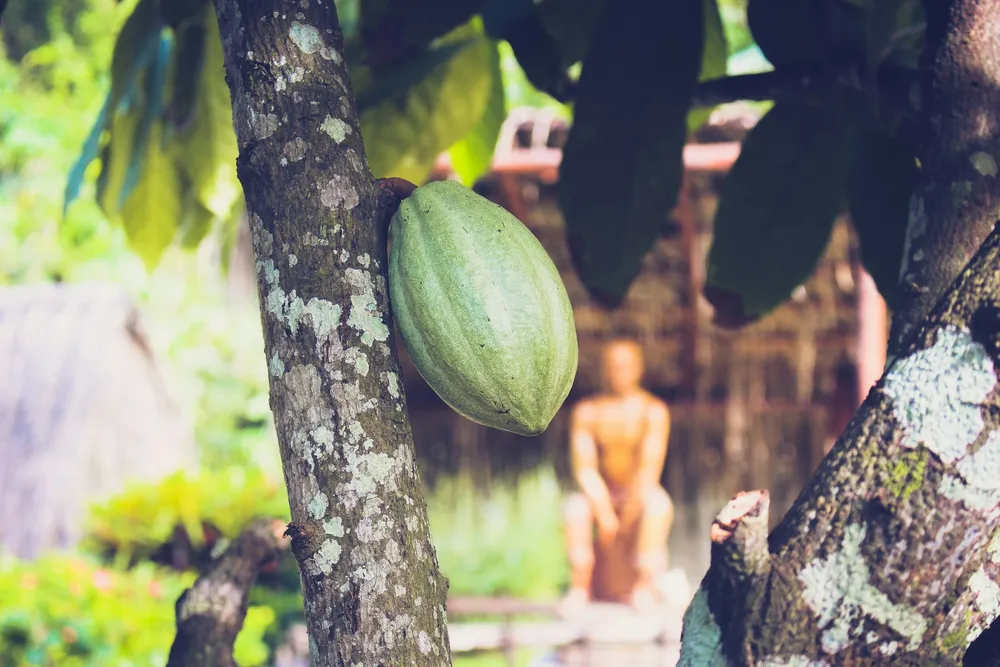
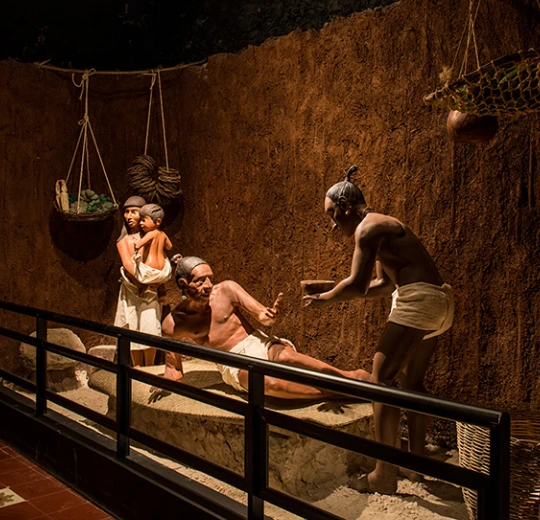
As we have discussed in other articles, cacao has its roots in Mesoamerica, where ancient civilizations consumed it ritually in bitter chocolate drinks. With the arrival of the Spanish in the Americas, cacao traveled to Europe, where it was transformed by the addition of sugar and spices. This transformation became part of winter celebrations, turning it into a cherished drink at this time of year.
Year-End Flavors and Celebrations in Latin America
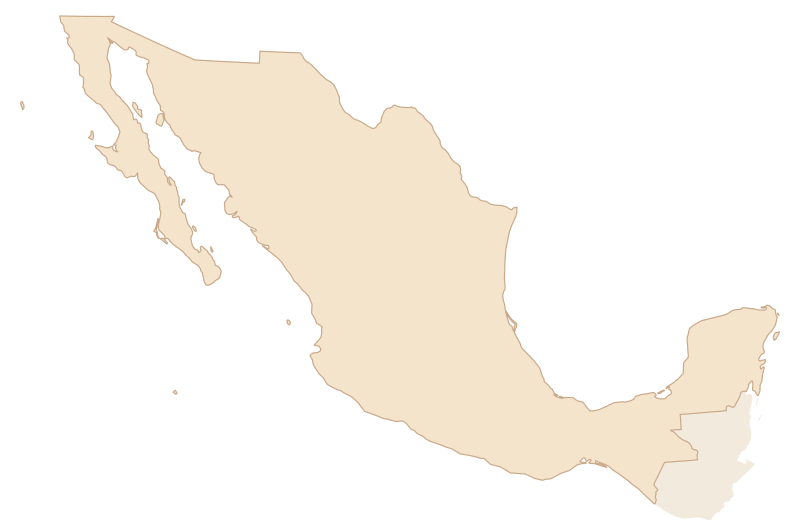
In Mexico, hot chocolate is a traditional drink at the posadas, which begin in mid-December, and on Christmas Eve and New Year's. It is often made with milk, water, cinnamon, cloves, and sometimes chili, creating a rich and comforting drink. At the Choco-Story México chocolate museums, you can taste this delicious drink, with spices and chili, just the way you like it.
In Peru, hot chocolate is a must at Christmas Eve and New Year's dinners. It is usually made with fresh milk, pure cacao, sugar, and spices such as cinnamon and cloves. It is drunk hot to fight off the night chill and to go with panetón, another Christmas and New Year's classic.
In other Latin American countries, hot chocolate is also part of the December celebrations, adapted to local ingredients and tastes, and enjoyed throughout the year-end festivities.
Warmth and Sweetness in the European Winter
In Spain, hot chocolate is a traditional drink during the December holidays, especially at Christmas and New Year's. It is enjoyed to warm up on cold winter nights and as a comforting treat during family celebrations, often accompanied by churros or roscón de Reyes.
In Italy, besides enjoying chocolate in many forms during the holidays, there is the tradition of the Befana, a folkloric figure similar to a good witch, who brings sweets and sometimes chocolate coins to children on the night of January 5, the Epiphany, which marks the end of the Christmas festivities.
In France, the "Bûche de Noël" (Yule Log) is a traditional dessert often made with chocolate sponge cake and buttercream, shaped like a tree log. This dessert symbolizes the log that was burned in the hearth during winter festivities in ancient times, and it is enjoyed throughout the December holidays.
In Germany, the Christmas markets, which often stay open until after Christmas and sometimes until New Year's, offer a variety of chocolate treats, such as chocolate-covered cookies, pralines, and chocolate figures. Hot chocolate is also popular, often with a hint of spices such as cinnamon or cloves.
All over the world, boxes of chocolates, chocolate figures, and chocolate Advent calendars, which sometimes stretch until Three Kings' Day, are common gifts exchanged between family and friends during this festive season. Their comforting taste evokes feelings of warmth and happiness, creating a festive atmosphere for the year-end celebrations.
All you need is love… and chocolate
If you're a chocolate lover, you can explore these traditions and appreciate the cultural richness surrounding chocolate in creating memorable moments during the holidays. We also invite you to visit our Chocolate Museums, Choco-Story México, in Uxmal, Valladolid, and Playa del Carmen.